.png)
Why Is Dental Treatment So Expensive? How to Minimize Dental Bills
- Feb 28
- 3 min read
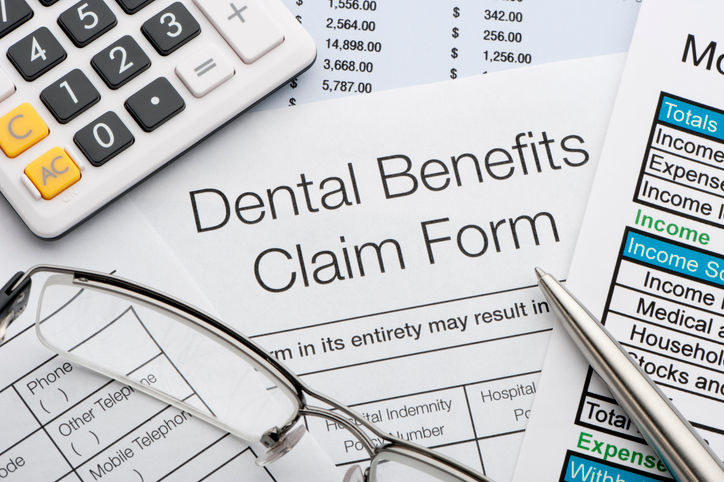
If you’ve ever left the dentist’s office with a bill that feels like a mortgage payment, you’re not alone. Dental care costs remain high in 2026, with average out-of-pocket expenses for Americans ranging from $500 to $1,500 per year, depending on procedures. National dental spending reached $189 billion in 2024 and continues to grow by 5-6% annually. This guide explains why dental treatments are expensive and offers practical tips to reduce your dental bills.
Key Reasons Dental Treatment Costs Are High
Dental care involves specialized expertise and resources. Below are the main factors driving up prices.
1. Dentist Education and Training Expenses
Dentists undergo extensive education: four years of undergraduate studies plus four years of dental school. Graduates often face student loan debt over $500,000. These costs lead to higher fees for patients, as dentistry ranks among America’s most expensive professions.
2. Practice Overhead and Operations
Dental offices operate like tech-driven businesses. Expenses include rent, utilities, staff wages, malpractice insurance, and admin fees, all rising steadily. Equipping one treatment room can cost $100,000, while supplies like tools or basic items (e.g., plumber’s tape marked up from $1 to $6) add up. In high-demand areas like Coral Springs, Florida, location-based overhead increases prices further.
3. Advanced Technology and Materials
Modern dentistry relies on expensive equipment like digital X-rays, lasers, and 3D scanners. Procedure materials, such as crowns ($800-$3,000) or implants ($3,000-$6,500 per tooth), involve high lab fees. Treatments like root canals ($700-$1,500) require specialized tools, boosting overall costs.
4. Customized and Time-Consuming Procedures
Dental care is personalized, unlike standard doctor visits. Tailored treatments limit daily patient volume. Compliance with regulations, sterilization, and quality standards adds extra expenses.
5. Dental Insurance Limitations and Stagnant Coverage
Dental insurance functions more like a discount program than comprehensive coverage, with annual maximums around $1,500 that fail to match rising costs. Patients often pay out-of-pocket for major work. Financial barriers in dental care exceed those in other U.S. health services.
Annual maximum benefits have stagnated since the 1970s, typically at $1,000 to $1,500. Inflation has increased over 500% since then, so a 1970s $1,000 limit equals about $7,000-$8,000 today. If adjusted for inflation, maximums should be $7,000-$9,000 or higher. This gap widens as dental expenses rise due to inflation, tech, and materials, forcing patients to cover more.
Strategies to Minimize Dental Bills
Reducing dental costs is possible with proactive steps. Here are effective ways to lower expenses.
1. Focus on Preventive Dental Care
Routine checkups and cleanings ($100-$200) prevent expensive issues. Many plans cover them fully. Daily habits like brushing, flossing, and fluoride use help avoid problems.
2. Compare Dentists and Prices
Fees differ by provider and location. In places like Coral Springs, Florida, seek cash discounts or membership plans ($200-$400/year) for treatment without insurance.
3. Optimize Dental Insurance Usage
Understand your plan’s deductible, co-pays, and maximums. Time treatments across years to maximize benefits. Add supplemental coverage for extensive work.
4. Use Financing and Savings Plans
Dentists often provide plans via lenders like Cherry or CareCredit, with interest-free options. Dental savings plans offer 10-20% discounts. Many practices, including Rovi Smile Center, offer in-house discount plans that have no waiting periods, no limitations, no maximums, cover preventative care, and provide discounts on all treatments with no cap.
5. Explore Affordable Alternatives
For major procedures, dental Ask about other options or phasing your treatment out.
6. Negotiate Fees and Seek Discounts
Discuss costs in advance. Ask for uninsured, senior, or student discounts. Bundling treatments may reduce totals.
Staying informed about dental treatment costs and insurance helps manage expenses. Prioritizing oral health prevents future high bills. If you’re looking for a straightforward way to make dental care more affordable right here in Coral Springs, consider exploring in-house discount plans like the one at Rovi Smile Center. With no waiting periods, no limitations or maximums, full coverage for preventative care, and uncapped discounts on all treatments, it’s designed to help you save without the usual hassles. Feel free to reach out to us to see how it can work for your smile.
Appendix: Resources and Sources
For more details on dental costs and insurance, explore these links:
1. Why Dental Insurance Isn’t Enough in Today’s Economy - Covers stagnant maximums and inflation effects.
2. Dear ADA: Annual maximums | American Dental Association - Data on maximum distributions and history.
3. What Is the True History Behind How Dental Insurance Started? - Inflation-adjusted maximums and overview.
4. The truth is, dental insurance benefits have barely changed since the 1970s - Comparisons of unchanged benefits.
5. The Un-Changing Dental Insurance Model - Average maximums since the 1970s.
6. A History of Dental Insurance - Insurance evolution and inflation gaps.


Comments